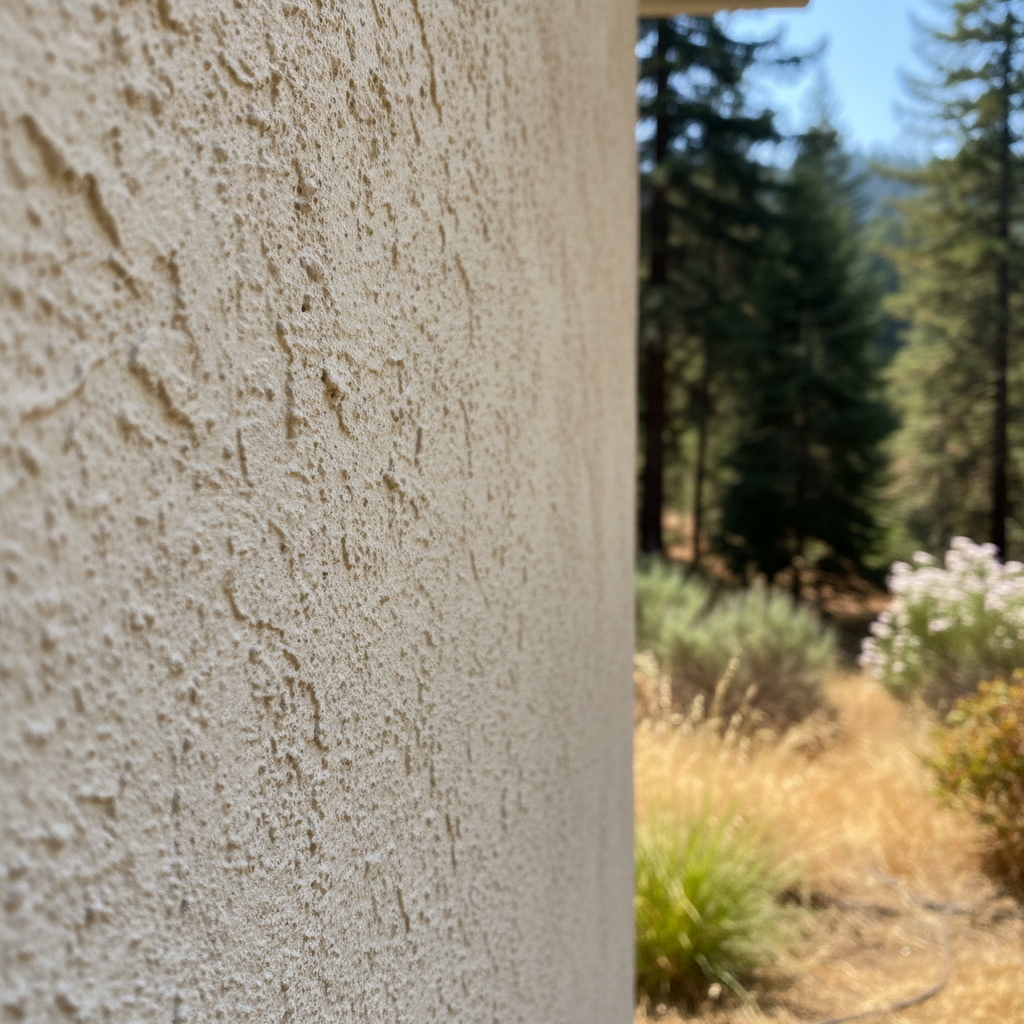
Alright, let's talk stucco inspections. A lot of folks in Ben Lomond figure this is strictly a "call a pro" kind of job, and sure, for a full, detailed assessment, you absolutely should. But you know what? There's a ton you can do yourself to keep an eye on your stucco and catch potential issues early. This isn't about ditching a professional inspection; it's about being a smart homeowner and knowing what to look for.
Before You Even Think About a Project
Before you're even considering a big stucco repair or re-dash, you should be doing regular visual checks. Think of it like checking your car's oil. You don't wait for the engine to seize up, right? Same goes for your home's exterior.
- Walk Around: Get outside and walk the perimeter of your house. Look closely at the stucco. See any cracks? Not all cracks are bad news, but hairline cracks are worth noting. Bigger cracks, especially those that run diagonally from window or door corners, are definitely red flags.
- Look for Stains: Any discoloration? Dark streaks, particularly under windows, near rooflines, or around vents, often mean water is getting in. That's a big deal. Algae or moss growth, especially on north-facing walls that don't get much sun, can also point to moisture issues.
- Check for Bulges or Soft Spots: Gently press on the stucco in different areas, especially lower down. Does it feel soft or spongy? Does it sound hollow when you tap it? That's a sign of delamination, where the stucco is separating from the wall, usually because of water damage.
- Examine Flashings and Sealants: This is huge. Look at where your stucco meets other materials – windows, doors, rooflines, decks, and even your foundation. Are the sealants cracked, missing, or pulling away? Is the flashing bent or corroded? These are common entry points for water, particularly with our Ben Lomond weather patterns, where we get heavy, driving rains followed by long dry spells. That expansion and contraction can really work on sealants, you know?
During a Stucco Project (If You're DIYing Minor Repairs)
Now, I'm not saying you should be doing major stucco work yourself. That's where Alpha Stucco Solutions comes in. But for really minor, cosmetic stuff – like filling a tiny hairline crack with an elastomeric sealant – you can certainly keep an eye on things.
- Surface Prep is Key: If you're patching a small area, make sure the surface is clean, dry, and free of loose debris. Don't just slap new material over old dirt.
- Match the Texture: This is harder than it looks. Try to match the existing texture as best you can. It takes practice. If it looks bad, it'll stick out like a sore thumb.
- Read the Instructions: Seriously. Whatever product you're using, follow the manufacturer's guidelines for mixing, application, and curing. Don't guess.
After a Professional Stucco Project
Even after you've hired a pro like us, you've still got a role to play. You're the one living there, so you're the first line of defense for ongoing maintenance.
- Initial Walk-Through: When the job's done, do a thorough walk-through with your contractor. Point out anything that doesn't look right. Is the color consistent? Are the textures even? Are all areas covered?
- Keep an Eye on It: For the first few weeks and months, pay extra attention. Stucco needs time to cure properly. Look for any new cracks appearing, especially if they're significant. Small hairline cracks can sometimes appear as the stucco dries and cures; these are usually not structural issues, but keep an eye on them.
- Maintain Your Landscaping: This often gets overlooked. Make sure shrubs and trees aren't growing directly against your stucco. They hold moisture against the wall and can hide problems. Keep sprinklers aimed away from the house.
- Regular Checks: Go back to those "before" steps. Make those visual checks a routine. Once or twice a year, walk around your house with a critical eye. Catching a small problem early can save you a huge headache and a lot of money down the road.
The bottom line is, your stucco is your home's skin. It protects everything inside. Being proactive with your own inspections and knowing when to call in the experts for a deeper look or a proper repair is just smart homeownership. Don't wait for a leak to tell you there's a problem.