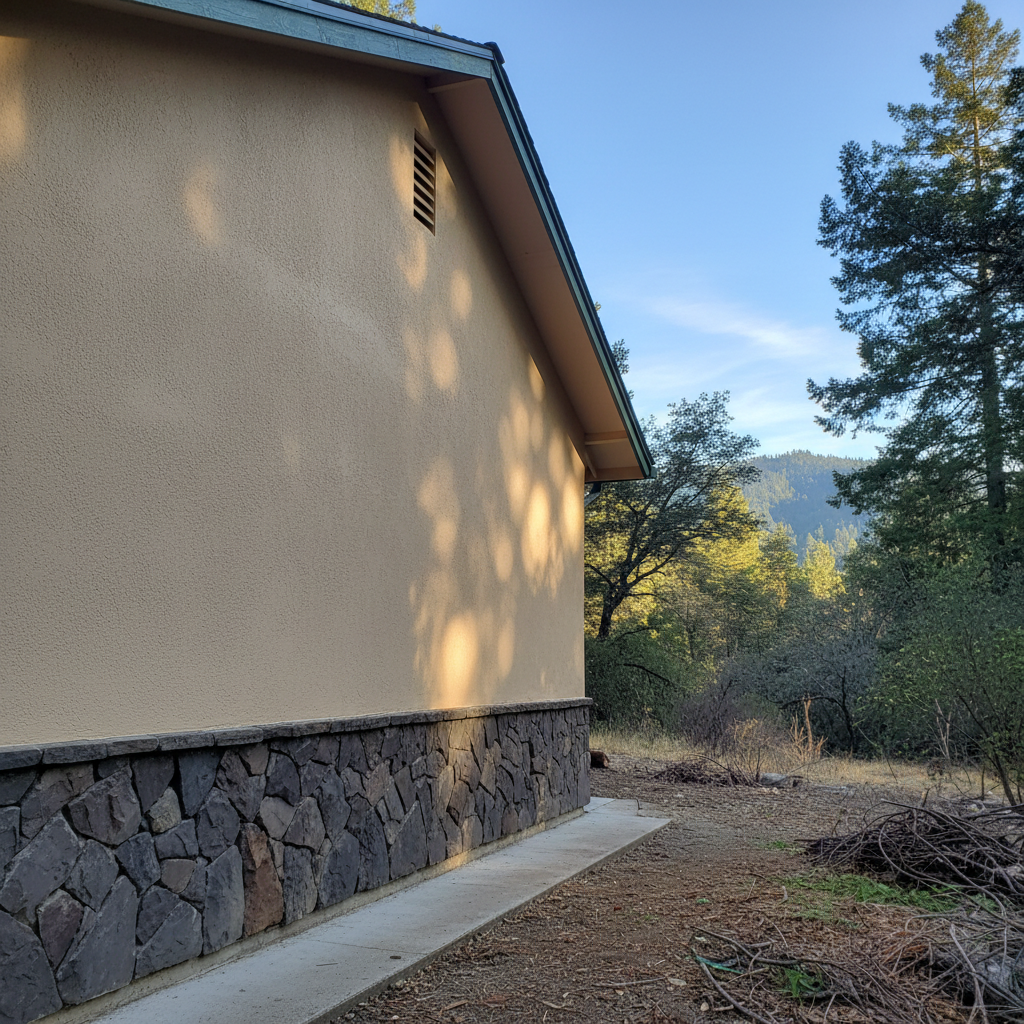
You want your stucco to last, right? Of course you do. It's a big investment, and when it's done right, it can protect your home for decades. But 'done right' isn't just about the installation; it's about how you look after it once it's on your walls. Think of it like your car – you wouldn't just drive it without ever checking the oil or getting it serviced. Stucco's the same. A little proactive care goes a long way, especially with our unique climate here in Ben Lomond.
Extending Your Stucco's Lifespan: It's Easier Than You Think
The biggest thing you can do to extend the life of your stucco is pretty simple: keep it clean and keep it dry. Seriously, that's 80% of the battle. Our weather here, with those long, dry summers followed by wet, sometimes foggy winters, can be tough on exterior finishes. That moisture, especially when it sits, is stucco's worst enemy.
First, make sure your gutters are clean and working. Overflowing gutters dump water right down your walls, which is a big no-no. Check your downspouts too; they should be directing water well away from your foundation. If water's pooling near your house, you're asking for trouble, not just for your stucco but for your foundation too.
Next, keep plants and landscaping trimmed back. Ivy growing on stucco might look charming in a movie, but it's a disaster in real life. It holds moisture, can damage the surface, and hides problems. Keep shrubs and trees a good foot or two away from your walls to allow for air circulation and to prevent them from scratching the surface.
Regular Maintenance: Your Annual Stucco Check-Up
I tell all my clients, including those I've done work for through Alpha Stucco Solutions, to do a simple walk-around inspection of their home at least once a year. Spring or early fall is a good time. Grab a ladder (safely, please!) and get up close. What are you looking for?
- Cracks: Small hairline cracks are often just cosmetic and normal as the house settles. But anything wider than a credit card, or cracks that run in a stair-step pattern, definitely needs a closer look.
- Discoloration or Stains: Dark streaks, especially under windows or near the roofline, usually mean water is getting in somewhere. Green or black patches? That could be mold or mildew, which points to persistent moisture.
- Bulging or Soft Spots: Press gently on the stucco. If it feels soft, spongy, or if you see areas that are bulging out, that's a red flag. It often means water has gotten behind the stucco, damaging the lath or sheathing underneath.
- Efflorescence: This is that white, powdery stuff you sometimes see. It's mineral salts leaching out from inside the wall, carried by moisture. It's a clear sign of water intrusion, no doubt about it.
- Sealant around openings: Check the caulk or sealant around windows, doors, and where different materials meet. If it's cracked, dried out, or missing, it's not doing its job, and water can sneak right in. This is especially important in our older Ben Lomond homes, where original sealants might be past their prime.
Cleaning your stucco is also part of regular maintenance. A gentle wash with a garden hose and a soft brush can remove dirt, dust, and minor mildew. For tougher spots, a mild detergent and water mix works. Just be careful with pressure washers; too much pressure can damage the stucco surface, pushing water into places it shouldn't go.
When to Call a Pro: Don't Wait Too Long
Look, I'm all for homeowners being handy, but there are times when you really need to call in someone who knows what they're doing. If you see any of those major warning signs – significant cracks, persistent staining, bulging, or soft spots – don't try to patch it up yourself with a tube of caulk. You might just be masking a bigger problem that's getting worse behind the scenes.
Water intrusion can lead to wood rot, mold, and structural damage, and those repairs are way more expensive than fixing the stucco itself. If you're unsure, or if your annual inspection turns up something that worries you, give a local stucco professional like Alpha Stucco Solutions a call. We can do a thorough inspection, find the source of the problem, and recommend the right fix before it turns into a nightmare. Catching these issues early is key to saving you money and keeping your home protected for years to come.