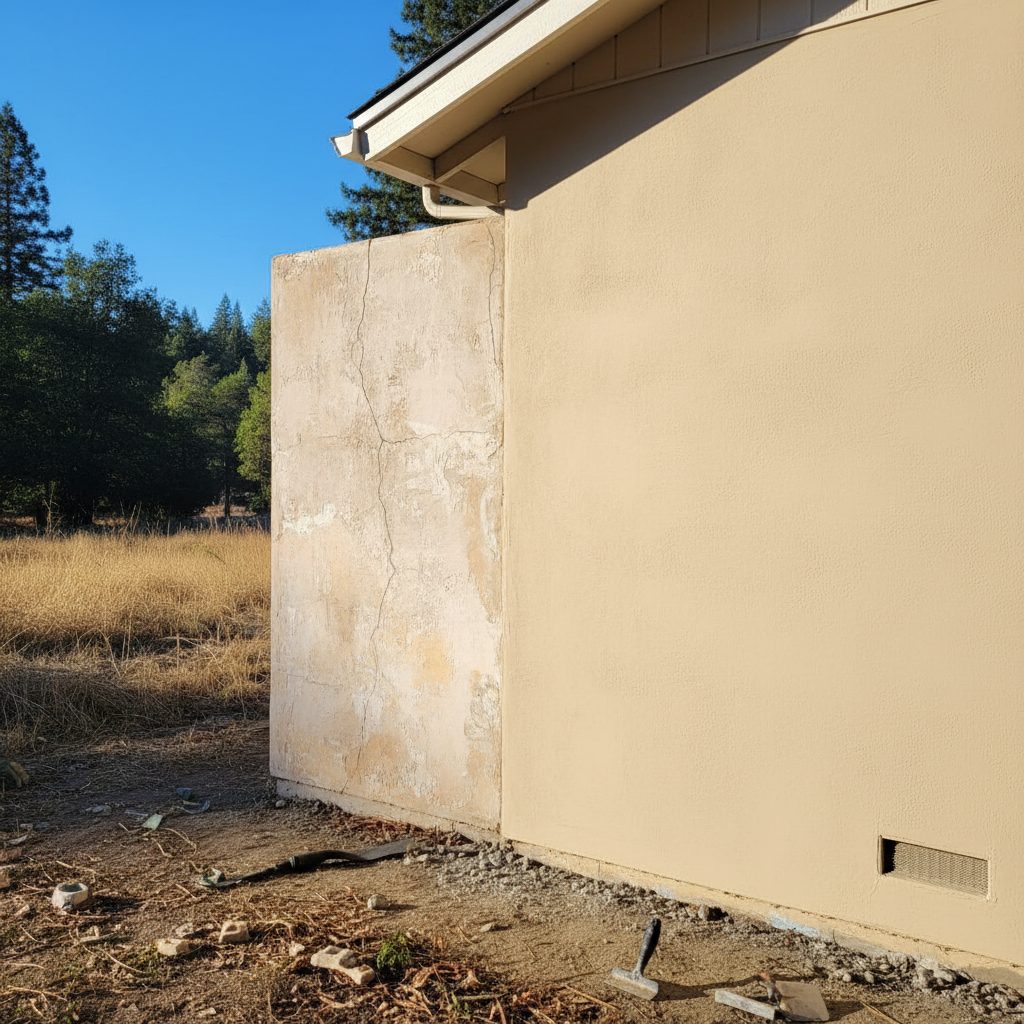
Your stucco's seen better days, huh? And now you're thinking about replacing it. That's a big decision, and really, there are two main paths you can take: a full tear-off and re-stucco, or just resurfacing right over what's already there. I've seen both done plenty of times around Ben Lomond, and each one has its place. Let's talk about what you need to know.
Full Tear-Off and Re-Stucco
This is the gold standard, plain and simple. When we talk about a full tear-off, we're ripping everything right down to the sheathing. That means the old stucco, the lath, the paper — it all comes off. Why go through all that trouble, you ask?
- Inspection and Repair: This is the biggest plus. Once that old stucco is gone, we can see exactly what's hiding underneath. Any dry rot issues? Is your sheathing messed up from years of water getting in, especially in those shady spots that stay damp longer, like on the north side of a home in the Fall Creek neighborhood? We can fix all that structural damage before putting anything new on. You can't just put new stucco over a rotten wall and expect it to last.
- Proper Drainage Plane: We get to put in a brand-new, proper drainage plane. This is super important for keeping water out. Modern building codes are much stricter about this now, and for good reason. It’s all about protecting your home from moisture, mold, and dry rot.
- Longevity and Warranty: When you do it right from the start, you're setting yourself up for the longest possible life for your new stucco. This approach often comes with the best warranties because we're truly starting fresh.
- Appearance: You get a completely fresh, uniform look. No worries about the old surface showing through or messing with the new finish.
The downside? Cost and time. A full tear-off costs more, no doubt about it. You're paying for demolition, disposal, and then all new materials and labor from the ground up. It also takes longer, so your home will be a construction zone for a bit more time.
Resurfacing Over Existing Stucco
Sometimes folks call this re-dashing or thin-coat stucco. This option means putting a new layer of stucco right over your existing, sound stucco. It's tempting because it's usually quicker and cheaper upfront. But there are some big "ifs" here, you know?
- Cost Savings: This is the main reason people go for it. You save on demolition and disposal costs. Less labor for prep means a lower price tag.
- Quicker Turnaround: Without the tear-off, the job can get done faster.
- Improved Appearance (Surface Level): If your old stucco just looks tired, faded, or has minor hairline cracks, resurfacing can give it a nice facelift. You can change the color and texture, too.
Now, for those "ifs" and "buts":
- Condition of Existing Stucco: This is absolutely crucial. Your existing stucco MUST be structurally sound, firmly stuck on, and free of serious cracking, delamination, or water damage. If there's rot underneath or major problems, putting new stucco over it is like putting a band-aid on a broken leg. It won't fix the real problem, and it'll probably fail too soon. I've seen people try to cut corners, and it almost always comes back to bite 'em.
- No Underlying Inspection: You don't get to see what's behind the walls. Any hidden moisture issues, dry rot, or problems with the original drainage plane will stay hidden and keep causing damage. This is a huge risk, especially with our damp winters and the dense redwood forest canopy creating shaded, moist conditions in many Ben Lomond yards.
- Added Weight: You're adding more weight to your home's exterior. Most structures can handle it, but it's something to think about.
- Potential for Future Failure: If the original stucco wasn't perfectly sound, the new layer might not bond correctly, leading to cracking or delamination down the road.
Which One Should You Choose?
Honestly, for most homeowners in Ben Lomond, especially if your stucco is showing significant signs of age, cracking, or water getting in, I almost always recommend a full tear-off. It's the responsible, long-term solution. You get to rest easy knowing that any hidden damage has been fixed, and your home is properly protected against our local weather. It's an investment that truly pays off in durability and avoiding costly repairs later.
Resurfacing is really only a good option if your existing stucco is in excellent structural condition, with no signs of water damage, and you're just looking for a cosmetic refresh. Even then, I'd still lean towards a tear-off if your budget allows, just for the chance to inspect and upgrade that moisture barrier.
Before you make any decision, get a professional assessment. We at Alpha Stucco Solutions can come out, take a look, and give you an honest opinion based on what we see. We'll tell you if resurfacing is even a possibility or if a tear-off is the only smart move for your specific situation. Don't guess when it comes to protecting your home.